Trusted Providers of School-Age Care
Unleashing Potential: How Montessori Methods Improve Learning for Every Child
Montessori methods offer a unique tactic to pedagogy that emphasizes self-direction, intellectual curiosity, and complex reasoning. By creating responsive learning spaces and harnessing experiential materials, these methods cater to assorted learning styles. Mixed-age classrooms strengthen teamwork and interaction and enable children to advance at their own pace. This holistic approach not only enhances academic skills but further supports individual maturation. What effects could this have for the educational horizon? Exploring these questions reveals profound insights.
The Main Foundations of Montessori Instruction
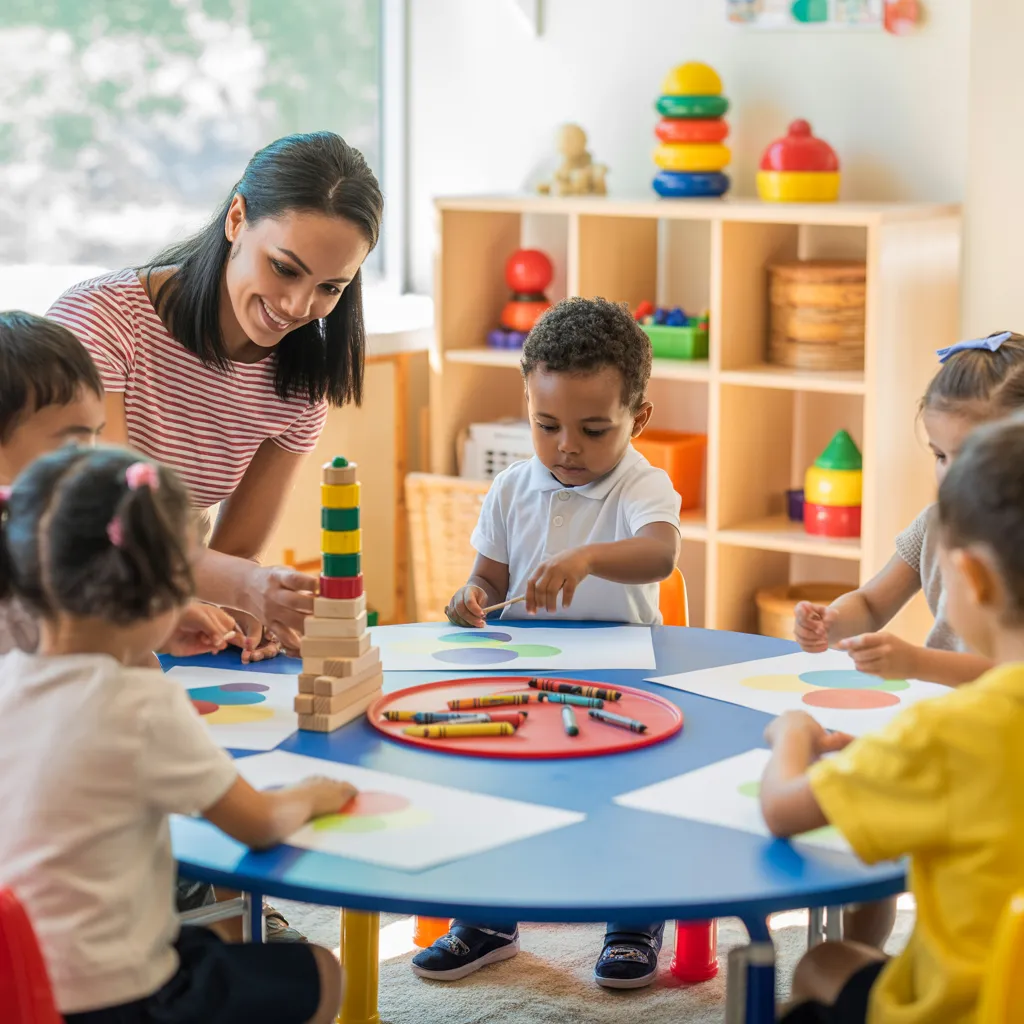
Montessori education is founded upon several core principles that inform its learning approach. At the heart of this philosophy lies the assumption in each child's innate potential, with an emphasis on respecting their personal pace of development. The prepared environment holds an essential place, being constructed to encourage exploration and self-directed activity. The materials are intentionally picked to be stimulating and developmentally suitable, allowing children to learn through hands-on experiences. Furthermore, the Montessori method promotes a mixed-age classroom setting that stimulates collaboration and peer learning. Teachers serve as mentors rather than conventional instructors, guiding students while observing and supporting each child's individual journey. This holistic approach nurtures not only cognitive skills but also social and emotional growth, encouraging a lifelong passion for learning. Through these principles, Montessori education seeks to develop independent, confident learners equipped to engage with the world around them.
Montessori Approach Builds Self-Direction in Children
Montessori education exclusively fosters independence in children through independent learning, allowing them to take control of their educational journey. By focusing on practical life skills, children gain confidence in their abilities to handle everyday tasks. Moreover, the freedom of choice motivates them to make decisions, further improving their autonomy and self-reliance.
Promoting Autonomous Study
Fostering self-reliance in children, the Montessori approach highlights autonomous learning as a core principle. This method encourages children to take charge of their educational journey, enabling them to choose activities that match their interests and developmental stages. By providing a prepared environment filled with materials, educators facilitate exploration and discovery, empowering students to pursue knowledge independently. This autonomy not only fosters analytical skills and problem-solving skills but also nurtures a sense of responsibility. As children engage in self-directed tasks, they develop confidence in their abilities, boosting their intrinsic motivation. Ultimately, this approach cultivates lifelong learners equipped with the skills necessary to navigate an ever-changing world, laying a strong foundation for future educational endeavors.
Useful Life Competencies
Helping children to master practical life skills is essential in Montessori education. By engaging in hands-on activities, kids acquire important skills like pouring, sweeping, and dressing that foster independence and confidence. These activities are intended to be age-appropriate, allowing youngsters to engage at their own pace. Practicing these real-life skills helps them improve fine motor coordination and cognitive functions, which strengthens their sense of achievement. Also, highlighting responsibility helps a connection to the environment and community. By working through these tasks, kids develop problem-solving abilities and grasp the impact of their actions. In the end, practical life skills prepare youngsters for everyday life and cultivate a lifelong passion for learning and independence.
Freedom to Decide
Children who participate in practical life skills create a robust framework for self-sufficiency, which is further enhanced by the liberty to choose central to Montessori education. This method permits children to select activities that resonate with their passions and learning stages, nurturing a investment over their learning. By deciding for themselves, they learn to evaluate their preferences, organize time, and cultivate problem-solving skills. This self-direction encourages intrinsic drive and confidence, as children progress along their learning path at their own pace. Moreover, the learning space is intentionally arranged to facilitate these decisions, with resources within reach and engaging. As an result, children in Montessori classrooms not only foster independence but also build a lasting passion for education through inquiry and investigation.
How Experiential Learning Fuels Curiosity
Hands-on further information learning operates as a catalyst for inquisitiveness in children by involving their senses and fostering active participation. This approach promotes independent exploration, allowing students to discover concepts through their own experiences. Additionally, it strengthens creative critical thinking, enabling learners to navigate challenges in innovative ways.
Enticing With Sensory Experiences
Several research studies emphasize the significant influence of tactile engagement in primary learning, demonstrating how tactile interactions can trigger curiosity. In Montessori classrooms, children work with materials that stimulate their senses, advancing exploration and learning through touch, sight, sound, and movement. For example, employing sandpaper letters permits students to feel the shapes of letters while simultaneously learning to identify them. This multisensory method not only enhances cognitive development but also encourages emotional connections to the learning process. As students manipulate various objects, they develop fine motor skills and spatial awareness, essential for future academic success. In the end, sensory experiences create a vibrant, engaging environment that fosters curious minds, transforming learning a dynamic and enjoyable journey.
Promoting Autonomous Inquiry
Building upon the value of sensory experiences, enabling independent exploration naturally complements Montessori principles. Under this method, children are motivated to interact with their environment openly, allowing them to chase their interests and questions. Hands-on learning activities afford opportunities for students to handle materials and discover concepts at their own pace. This autonomy not only encourages curiosity but also enhances confidence, as children learn to trust their instincts and make decisions. By crafting an environment rich in materials and tools, educators support this exploration, directing children to pursue their natural inquisitiveness. Ultimately, enabling independent exploration fosters a lifelong love of learning, empowering children to seek knowledge beyond the classroom.
Encouraging Innovative Solution Finding
Hands-on engagement with physical resources ignites children's inventive minds and inspires creative problem-solving. In Montessori spaces, interactive learning permit children to explore concepts through tangible experience. This approach fosters curiosity, enabling learners to experiment and develop on their proposals. When faced with challenges, children learn to devise multiple answers, enhancing their critical thinking skills.
The application of hands-on materials, such as building blocks or art supplies, invites experimentation and adventurous learning in a secure environment. Children are encouraged to inquire and seek answers on their own, developing strength and adaptability. This approach fosters not only scholarly abilities but also social-emotional development, as children collaborate and exchange ideas. Ultimately, Montessori methods revolutionize traditional learning by empowering students to become resourceful problem solvers.
How Montessori Practices Promote Academic Excellence
Montessori methods cultivate a unique educational setting that enhances academic success by promoting independent discovery and critical thinking. In this approach, students engage with tactile resources that cater to different educational preferences, advancing deeper understanding of ideas. The emphasis on individualized learning allows children to advance at their own pace, fostering a feeling of responsibility over their learning.
Moreover, the mixed-age classrooms facilitate peer learning, where younger students can learn from older peers, strengthening knowledge through teaching. This collaborative atmosphere develops communication skills and promotes a love for learning. Teachers act as guides rather than traditional instructors, encouraging inquiry and exploration.
Assessment in Montessori settings focuses on mastery rather than numerical ratings, enabling students in nurturing intrinsic motivation. As a consequence, children regularly exhibit notable academic persistence, generating improved performance in standardized assessments. Overall, Montessori methods establish a solid foundation for continuous development and academic achievement.
Fundamental Life Competencies Formed Via Montessori Schooling
Fostering independence and responsibility, Montessori schooling cultivates essential life skills that extend beyond formal education. This approach inspires children to take initiative and determine their own path, fostering decision-making abilities essential to long-term achievement. By immersing themselves in hands-on activities, students cultivate problem-solving skills and gain proficiency in time effectively. The priority given to cooperative learning within mixed-age classrooms also fosters community engagement, teaching children empathy and respect for others.
Furthermore, Montessori pedagogy cultivates self-discipline through organized schedules, supporting children recognize the effects of their actions. Hands-on practical activities, including cooking and gardening, instill a sense of stewardship and concern for their environment. These experiences enhance motor skills while also build self-confidence and resilience. Ultimately, the practical knowledge acquired through Montessori education enable children to navigate obstacles and adapt to new situations, equipping them for a fulfilling future.
Modifying Montessori Teaching to Diverse Individual Learning Approaches
Adapting educational methods to accommodate different learning styles creates a more welcoming and effective learning setting. Montessori education is inherently flexible, recognizing that children learn in various ways—visually, auditorily, and kinesthetically. Through hands-on activities and materials, students engage with concepts in a way that aligns with their individual preferences.
Teachers carefully observe each child, recognizing individual strengths and weaknesses. This observation guides personalized lesson plans that correspond to each learner's preference, fostering deeper understanding and retention. For instance, a child who excels in spatial reasoning may gain from working with geometric shapes, while another might flourish through narrative methods.
This flexibility generates a sense of agency, urging students to take ownership of their learning journey. By respecting and responding to diverse learning styles, Montessori education not only enhances academic achievement but also develops a love for learning that extends beyond the classroom.
Readying Oneself for Perpetual Victory: The Montessori Distinction
An education that embraces varied learning methods constructs a substantial foundation for long-term fulfillment. The Montessori system centers on learner-centered discovery, allowing children to delve into their interests at their own velocity. This practice fosters critical thinking and problem-solving skills, paramount attributes in an transforming world. By building independence, students come to understand to take responsibility for their education, preparing them for future challenges.
Additionally, the combined-age classroom space encourages joint learning and reciprocal education, strengthening social skills and emotional intelligence. Children cultivate respect for varied viewpoints, which is important for success in international environments. The focus on experiential, experiential learning further furnishes students with useful competencies relevant beyond the classroom.
In the end, the Montessori benefit is found in its holistic method, fostering not only academic capabilities but also individual development. This all-inclusive education model prepares children to traverse life's complexities, ensuring they possess the resources necessary for lasting achievement.

Frequently Asked Questions
Which Student Age Groups Benefit Significantly From Montessori Education?
Children aged 3 to 6 years gain the most benefit from Montessori education, as this stage nurtures independence and independent educational practices. However, older age groups, including elementary students, also acquire valuable skills through the Montessori approach.
How Can Montessori Education Address the Needs of Children With Special Needs?
Montessori programs accommodate children with special needs by providing individualized learning experiences, encouraging self-reliance, and allowing adaptable learning speed. This tailored approach enables diverse learners to flourish in a supportive and nurturing environment, promoting their unique strengths.
Do Montessori Schools Result in Greater Expenses Compared to Traditional Schools?
Montessori schools typically charge increased fees compared to traditional schools, primarily because of reduced classroom populations, specialized materials, and personalized teaching approaches. However, expenses may differ significantly based on location and specific program offerings.
What Qualifications Do Montessori Teachers Must Have?
Montessori educators typically require a bachelor's degree and intensive preparation in Montessori techniques, which includes both theoretical knowledge and experiential training. Accreditation from respected Montessori institutions is often essential for teaching in credentialed educational settings.
What Ways Can Parents Reinforce Montessori Philosophies in the Household?
Parents can promote Montessori principles at home by creating a thoughtfully arranged area, fostering autonomy, providing options, fostering inquiry, and promoting experiential learning. Engaging in open-ended conversations also develops problem-solving abilities and fosters a child's innate desire to learn.